Understanding Unexplained Infertility: Causes and Treatment Options

Understanding Unexplained Infertility: Causes and Treatment Options

Understanding Unexplained Infertility: Causes and Treatment Options

Understanding Unexplained Infertility: Causes and Treatment Options


Introduction

Unexplained infertility literally means that the specific cause for infertility is not known. Even when individuals feel fine and are actually healthy- preliminary test results say the same, they may not be able to conceive. The catch in this situation is that even detailed fertility tests reveal no abnormalities with respect to structure and egg or sperm quality. Undiagnosed endometriosis, uterine fibroids or polyps may contribute to infertility but at times may not directly influence it either. Hormonal changes also need to occur at the right time and if timing is off, fertility can get affected. Many couples may initially be diagnosed like this but conceive without treatment later on. So, let us look at some causes for idiopathic or unexplained infertility and explore treatment options that are available at the best fertility clinic in Hyderabad

Causes for Unexplained Infertility

When a couple has had unprotected sex for over 6-12 months or even longer and are still not able to conceive, a detailed fertility assessment is warranted. Infertility can occur due to a variety of reasons but when evaluations say everything is normal, then it may be called idiopathic or unexplained infertility. Some other reasons include- 

  • You may be dealing with an undiagnosed underlying condition which is chronic- like thyroid issues, diabetes, nutritional deficiencies etc.
  • For women, egg quality is as important as number- so blood tests need to be done, as imaging can only give a rough estimate of the number of eggs present in the ovaries. Tests check for AMH, FSH, AFC (Antral Follicle Count), Estradiol test (higher levels early in the cycle can correspond to poorer egg quality) and others. Genetic testing may also be recommended in some cases. 
  • Women having endometriosis have a harder time conceiving, when compared to other women.
  • Quality of cervical mucus- This may seem like a small detail, but if the mucus is too thick or acidic, then sperm cannot move towards the egg and this can hamper fertilization.
  • Sperm quality- Just looking for count, motility and structure may not be enough. Detailed quality testing may be necessary - like HBA assay, ROS test, antisperm antibody test, sperm penetration test, sperm DNA fragmentation test etc. respectively. 

Why You May Be Diagnosed With Unexplained Infertility

Here are some reasons as to why you may be diagnosed with unexplained infertility-

For women-

  • When you ovulate at regular intervals and your cycle is normal.
  • There is no issue or blockage in the fallopian tubes
  • Your uterus looks and functions normally - no problem with the endometrial lining. 
  • Hormones needed to govern the whole process - from egg release to fertilisation and implantation seem to be in normal range. 
  • You have a good ovarian reserve for your age.

For men-

  • Sperm count is within range in the sample you have given.
  • Sperm motility is good. 
  • Shape and structural tests reveal normal results. 

Studies show that about 15-30% of all infertility related cases seeking treatment can be attributed to unexplained infertility in the Indian subcontinent. This is because tests normally check for overt issues. Subtler problems may not be diagnosed in the first pass and will hence require detailed testing. 

Treatment Options for Unexplained Infertility

Some well known treatment options include- 

  • Assisted Reproductive Technology- Methods like IUI (intrauterine insemination) and IVF are very well known choices. To help improve fertilisation chances, ICSI (intra-cytoplasmic sperm injection) can be performed- so that sperm can be directly injected into the egg and barriers to fertilisation are overcome much better. ICSI is a great choice when sperm motility or quality is an issue. 
  • When you opt for IUI or IVF, you will be given hormonal medications like gonadotropins and clomiphene. Gonadotropins are prescribed to promote follicle development and egg production in women and can help with low sperm count in men. Clomiphene helps increase the number of eggs that will be released in women- which also increases chances of conception. 
  • The last way is when the gynecologist asks you to track your cycle closely- using ovulation kits, with basal temperature changes, so you can time intercourse within your fertile window - right before or during the days of ovulation. 

Conclusion

Unexplained infertility as a diagnosis can be hard to understand and deal with- as technically there is no issue but you are still not able to conceive. In such cases, the gynecologist may ask you to continue trying like before. It does you no good to get stressed, so instead- try to pivot and see about making necessary lifestyle changes- like eating nutritious meals, getting enough exercise every week and managing stress actively in different ways. If you would like to get a second opinion, then you should go ahead. If you’d prefer not to wait and instead want to begin fertility treatment without delay, talking to the best IVF doctor in Hyderabad makes total sense. So, call us at Feminova Clinics for a consultation today! 

Can't find an answer? Book a clinic visit or Call us  at +91 9966888702 or +91 8125860069

When should a couple seek medical help for infertility?

Couples should seek evaluation after 12 months of regular, unprotected intercourse, or after 6 months if the woman is 35 years or older.

Are there situations where help should be sought earlier?

Yes. Immediate evaluation is recommended for irregular periods, absent ovulation, known uterine or tubal conditions, endometriosis, or male sexual or semen concerns.

Does age affect when infertility evaluation should begin?

Yes. Female fertility declines with age, so women over 35 should not delay assessment, even if cycles appear regular.

When should men be evaluated for infertility?

Male evaluation should occur at the same time as female assessment, especially with low sperm count, erectile dysfunction, testicular injury, or previous infections.

Can early fertility evaluation improve treatment outcomes?

Yes. Early diagnosis allows timely intervention, prevents progression of underlying conditions, and improves success rates with fertility treatments.
When Is the Right Time to Seek Help for Infertility?

When Is the Right Time to Seek Help for Infertility?

When Is the Right Time to Seek Help for Infertility?

When Is the Right Time to Seek Help for Infertility?


Introduction- Planning to conceive and raise a family are very personal goals and now more than ever, many women and men prefer to take their time to think about it in detail, before rushing into it. This is very relevant- as it is a big emotional and financial decision, with several other motivations which may not be apparent on the surface. When you have a partner, or are not sure about wanting to start a family right away- it makes sense to understand how the biological clock works with respect to overall health and fertility. It can also be hard to really pay attention to subtle signs or symptoms which may point towards infertility and hence diagnosis and treatment may get delayed. This can be problematic for the future- when you do actually want to conceive. So, let us look at the different instances which may necessitate a visit to the best IVF clinic in Hyderabad. 

When To Consult A Fertility Specialist for Infertility?

Here are a few examples of situations which warrant a visit to a fertility specialist- 

  • Unprotected sex for some time- For women more than men, the biological clock is pretty unforgiving- as egg quality and number begin to decrease drastically once they hit their late 30s or early 40s. So, if you have had unprotected intercourse for over a year and still have not gotten pregnant (if you are below 35 years of age) or if you are above 35 and have not been able to get pregnant in 6 months under similar circumstances, you should talk to a gynecologist immediately. If you are above 40, then walk into our clinic today, without any further delay! 
  • Previous miscarriages- If you have had 2 or more miscarriages before, it is time to talk to a fertility specialist- as it may be an issue that can be medically or surgically corrected. Miscarriages can occur when there is a genetic anomaly, autoimmune issues, severe hormonal imbalance and even uterine malformations which may not be known initially. 
  • Pelvic surgery or disease- If you have had previous surgeries, then extensive scar tissue formation can hinder conception by causing the fallopian tubes to get blocked or can interfere with implantation in the uterus. Frequent STIs, even if treated or if there is a delay in treatment can affect the fallopian tubes and consequently impact egg quality too. 
  • Issue with erection or ejaculation- Men and their sperm are as important to consider, as women when it comes to egg quality and health. The onus of conception does NOT lie with women alone. So, when men are not able to achieve an erection or are not able to ejaculate normally, it can interfere with conception. Sperm quality is also very important, as is motility, structure and its ability to survive in the female reproductive tract- as only then fertilisation will be possible. If there is any issue here, then you should talk to a male fertility specialist immediately, instead of rushing to judgement. 
  • Autoimmune disease- Issues like hypothyroidism, lupus or rheumatoid arthritis can wreak havoc in your body as the immune system is working overtime. It can also impact fertility, so talk to a specialist soon if you have already been diagnosed with an autoimmune condition. 
  • Cancer diagnosis and subsequent chemotherapy- If you have cancer and need to undergo radiation therapy or chemotherapy, you should think about freezing your eggs or sperm- so you can keep the possibility of having a family open in the future. 
  • Premature menopause- You should talk to a gynecologist if there is a history of premature menopause in your family. 
  • PCOS- Hormonal imbalance can affect your ability to conceive, so you should talk to our endocrinologists, as we offer the best PCOS treatment in Hyderabad. 
  • Endometriosis and fibroids- When the endometrial lining begins to grow in other places apart from the uterus, it can cause pain, bleeding and affect ovulation. Fibroids are benign tumours which need to be checked on time. 
  • Primary ovarian insufficiency (POI)- After 40 years of age, the ovaries don’t function as well as before and this can impact your ability to conceive. So, IVF or using a donor egg may be more suitable in such cases. 

It is best if you do not delay infertility screening- as fertility and age are inversely proportional. Though talking to a fertility specialist may seem daunting, you should consider not letting your preconceived notions get the better of you. Talking to a non-judgemental gynecologist can help a lot in such cases- as they will be able to diagnose the exact issue and come up with a personalized treatment plan, so you can get better. If you have been searching for a male fertility clinic near me or a fertility centre near me, stop overthinking and walk into Feminova Clinic today, for a consultation! 

Can't find an answer? Book a clinic visit or Call us  at +91 9966888702 or +91 8125860069

When should a couple seek medical help for infertility?

Couples should seek evaluation after 12 months of regular, unprotected intercourse, or after 6 months if the woman is 35 years or older.

Are there situations where help should be sought earlier?

Yes. Immediate evaluation is recommended for irregular periods, absent ovulation, known uterine or tubal conditions, endometriosis, or male sexual or semen concerns.

Does age affect when infertility evaluation should begin?

Yes. Female fertility declines with age, so women over 35 should not delay assessment, even if cycles appear regular.

When should men be evaluated for infertility?

Male evaluation should occur at the same time as female assessment, especially with low sperm count, erectile dysfunction, testicular injury, or previous infections.

Can early fertility evaluation improve treatment outcomes?

Yes. Early diagnosis allows timely intervention, prevents progression of underlying conditions, and improves success rates with fertility treatments.
When Should You Consider Hysteroscopy? Common Indications To Know

When Should You Consider Hysteroscopy? Common Indications To Know

What Is Pre-implantation Genetic Diagnosis? A Guide for Families

When Should You Consider Hysteroscopy? Common Indications To Know


Introduction- The uterus is a tiny, muscular organ located deep within the pelvis and looks almost like a bag, ready to receive an egg after fertilisation and provides a spot for implantation to occur so further development can occur. When there are certain signs like pain, excessive bleeding or other symptoms which may not be easy to understand, detailed imaging may help pinpoint the exact underlying cause. A hysteroscopy is an easy procedure that can be performed by an experienced women clinic nearby. Let us look at what it is and when it needs to be performed in greater detail.  

What is  A Hysteroscopy? 

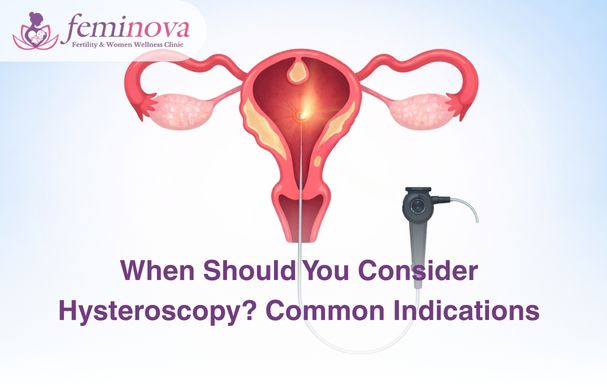
A scope in medical terms is just another way of telling you that there is a camera which will be able to provide real time imaging of the body part in concern. The same principle applies here- a thin tube with imaging capabilities is inserted into the uterus through the cervix and vagina and this can then help the gynecologist diagnose or even operate on a particular condition. It becomes a diagnostic procedure when the doctor is trying to understand what the cause for the symptoms are, while it is operative if you need surgery for previously diagnosed conditions like uterine fibroids, polyps or adhesions. It can be both diagnostic and operative in nature if the doctor suspects polyps or fibroids and uses a hysteroscope while operating on them. 

When To Get A Hysteroscopy Done?

If you have the following symptoms, then you should talk to a specialist in the best fertility clinic in Hyderabad without too much delay-

  • When there is heavier bleeding than usual- If you are losing more blood than on your heaviest period or if all of your periods are very heavy, then it is time to get it checked. This symptom may be due to polyps, fibroids or major hormonal shifts. 
  • Spotting or irregular periods- If you notice some spotting between your monthly cycles or your regular periods suddenly become irregular, then you should talk to a doctor.
  • Severe pelvic pain or cramping- Cramping or pain does not have to be a usual feature of your monthly cycle. If there is too much pain, then it may be fibroids or adhesions too. 
  • Postmenopausal bleeding- If you are menopausal and suddenly have bleeding, you should check it out, as a hysteroscopy can check the uterine lining for any abnormal changes or cancerous growth. 
  • Unexplained infertility-Not being able to get pregnant may be a side effect of various uterine issues. So, you can get a hysteroscopy done to check. 
  • Multiple miscarriages- if you have repeatedly dealt with pregnancy loss, then you should evaluate the uterus too as some defect may be the underlying cause- which can be corrected in a majority of cases. 

Benefits of Getting a Hysteroscopy-

The main advantage of a hysteroscopy is that it is minimally invasive- as there are no incisions or stitches to worry about. You can go home the same day after the procedure is done. It allows the gynecologist to get a clear view of the uterus, its lining and any associated structures. The risk of developing complications is almost none to very minimal and when you get it done early, you can go for prompt treatment too. 

But, not every woman is eligible for it- if you are pregnant, have a severe pelvic infection or have any conditions that don’t allow the hysteroscope to enter the uterus easily, then you may need to look at other diagnostic tests for uterine issues. 

Conclusion- Being proactive about your reproductive health is a great way to ensure that there are no unwanted surprises. This can also ensure that you will be diagnosed correctly and will then be able to get appropriate treatment. The procedure is not painful at all and is minimally invasive, with most women not needing anaesthesia at all. Though women are taught not to worry too much if there is cramping, changes in bleeding schedule or change in discharge as all these factors are dependent on hormonal changes, it is important to understand when something may be seemingly minor and when a particular symptom may be a sign of something more critical. So, if you have been searching for ‘the best gynecologist near me’, then you don’t have too far to go- walk into Feminova Clinics and schedule a consultation with our fertility specialists today! 

Can't find an answer? Book a clinic visit or Call us  at +91 9966888702 or +91 8125860069

What is hysteroscopy and why is it done?

Hysteroscopy is a minimally invasive procedure used to directly view the inside of the uterus. It helps identify and treat conditions affecting implantation, menstrual health, and fertility outcomes.

When is hysteroscopy recommended during fertility evaluation?

Hysteroscopy is recommended when imaging tests show uterine abnormalities or when infertility remains unexplained despite normal blood tests, scans, and ovulation assessment.

Can hysteroscopy help in recurrent implantation failure or miscarriages?

Yes. Hysteroscopy detects uterine polyps, fibroids, adhesions, or septa that interfere with embryo implantation and pregnancy continuation, allowing targeted correction.

Is hysteroscopy required before IVF or fertility treatment?

Hysteroscopy is advised before IVF when ultrasound findings are abnormal or when previous IVF cycles have failed, to ensure the uterine cavity supports implantation.

Is hysteroscopy a painful or high-risk procedure?

Hysteroscopy is a safe, short procedure with low complication rates. It is performed under anesthesia or mild sedation and allows same-day discharge in most cases.

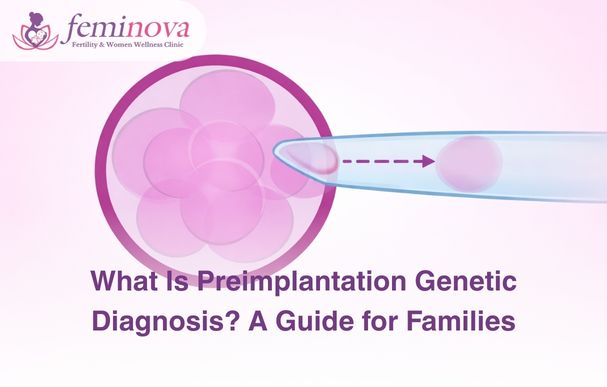
What Is Pre-implantation Genetic Diagnosis? A Guide for Families

What Is Pre-implantation Genetic Diagnosis? A Guide for Families

What Is Pre-implantation Genetic Diagnosis? A Guide for Families

What Is Pre-implantation Genetic Diagnosis? A Guide for Families


Introduction- Every parent wants to have a hearty and healthy child, with no abnormalities or disorders. This is where PGD comes in. In natural conceptions, prenatal tests are done to identify genetic abnormalities while in IVF conceptions, pre-implantation genetic screenings are done to identify abnormalities in fertilised embryos.  These tests are legal and are available in most fertility centres. Specialised techniques like biopsy of embryo and subsequent genetic analysis using techniques like PCR, FISH or CGH is done for identification of normal, healthy embryos - all in an effort to prevent miscarriages from occurring in the future, or to prepare you for any other eventuality. Cost can vary according to the area and centres and it requires a significant amount of financial investment in some cases. The use of PGD as a mode of screening is increasing in India, as there is greater willingness to try IVF and other ART methods, if natural conception is not happening. 

What Is A Pre-Implantation Genetic Diagnosis (PGd) And Its Types?

Pre implantation genetic diagnoses are a series of testing done on embryos which are fertilized through IVF, for screening genetic disorders or chromosomal abnormalities before transferring it to the mother. It helps your family to ensure and aim for healthy children, free from disorders by ending the familial history of genetic transmission of diseases. 

Different types of PGD’s:

There are 2 main types:

  • PGD for monogenic disorders/ PGT-M: This type of pre implantation genetic diagnosis is useful in detecting diseases of a single gene type; it is clear, specific and widely accepted. Helps in anomaly detection even before implantation in the uterus. These tests are recommended to couples with strong family traits of genetic anomalies identifying the possible percentage of anomaly transfer. For this test, the parents must initially undergo genetic testing to identify the error or mutation in the gene. Once the results are obtained,  the embryos are diagnosed appropriately for those specific genetic anomalies making it easier for designing IVF protocols. 
  • PGS/PGT-A: This technique is used to select embryos with the right chromosomal number (euploidy), as this can determine its capability for implantation in the uterus. Embryos with higher or lower number of chromosomes (aneuploidy)  may not implant correctly leading to pregnancy loss. It is specifically done for mothers of advanced age or with a recurrent history of miscarriage or failed IVF cycles. 

What Is Analysed Using Pgd?

PGD is used for analysing chromosomal conditions in families where-

  • One partner in the couple has a dominant gene of a genetic disorder; there is a 50% chance of their future offspring having the same genetic mutation. 
  • The mother is a carrier - she may or may not transfer the defective gene to her offspring and there is still a 50% chance of inheritance, depending on the gender of the child. 
  • Both the parents are genetically recessive - then there is about a 25% chance that their future offspring may be affected, and have both copies of the recessive gene- leading to the condition. 

Conclusion- Pre-implantation genetic testing or diagnosis is an advanced science in the field of in-vitro fertilization. All the embryos produced through IVF may not be healthy and couples with a history of delayed fertility or genetic anomalies tend to face miscarriages. In such cases, PGD is more like a safe precaution and a confirmation if their embryo or future offspring can lead a healthy life or not. The decision can be made by the parents if they’re willing to take a chance with children who are genetically abnormal. This kind of diagnosis helps the couple to have a happy and healthy family. If they’re carriers of recessive genes, this procedure can help their off-springs and the future generations to be free from such genetic anomalies. These tests are conducted under the guidance of experienced doctors and IVF specialists in fully equipped fertility hospitals or clinics. 

Can't find an answer? Book a clinic visit or Call us  at +91 9966888702 or +91 8125860069

Are the results of Pre-implantation Genetic Testing reliable and accurate?

Yes, it is highly accurate and reliable. While not all tests can be 100% accurate, the misdiagnosis rates are extremely low- less than 1%.

What type of genetic diseases can be identified with Pre-implantation Genetic Testing?

Monogenic/ single genes diseases like cystic fibrosis, Huntington’s disease, sickle cell anaemia and chromosomal abnormalities like aneuploidy can all be detected with PGD testing. 

What is the cost of Pre-implantation Genetic Diagnosis in India?

The cost may vary from rupees 5000 to 1,00,000 per cycle. It depends on the type of pre-implantation genetic diagnosis, the number of embryos tested and the centre's reputation.

What are the different types of Pre-implantation Genetic Testing?

PGT-A (Pre-implantation Genetic Testing for Aneuploidy), PGT-M (Pre-implantation Genetic Testing for Monogenic Disorders), PGT-SR (Pre-implantation Genetic Testing for Structural Rearrangements) are the different kinds of tests that are available these days. 


Is pre- implantation genetic testing ethical?

There are complex and controversial opinions on its ethical question while proponents in support argue that this test can prevent genetic diseases and improve IVF success rate. Opponents raise points of embryo discarding, risks of misinterpreting results for non medical and unethical uses.

What Is Embryo Cryopreservation? Benefits and Process Explained

What Is Embryo Cryopreservation? Benefits and Process Explained

What Is Embryo Cryopreservation? Benefits and Process Explained

What Is Embryo Cryopreservation? Benefits and Process Explained


Introduction-  Scientific advancements in the field of fertility have been growing rapidly, giving hope to many couples who may not be able to conceive. Many procedures like IVF, in-vitro gametogenesis, genetic editing, pre implantation genetic testing and cryopreservation are now being used to help individuals in very scientific ways. An embryo is a by-product from the process of fertilization which includes a mature egg and sperm. Embryo cryopreservation or embryo freezing is a process that is used to freeze healthy fertilized eggs for future use. In countries like India, embryo freezing is an exceptional choice for couples who choose to protect their fertility for various reasons. Couples with high risk conditions like cancer, endometriosis, and ovarian failure can preserve their ability to conceive, with this technique. The success rate of frozen embryo transfers is about 60% for women under the age of 35yrs in India, according to various studies that have been conducted. 

Why Freeze Embryos?

Excess embryos are quite common in couples trying to conceive through IVF. These can be used for the future by freezing them. This process is called cryo-preservation. It is helpful in cases when the couple wants to cancel or postpone an implantation after one good fertilized egg, or if they want to have the choice to try again, if one round of IVF fails. They may also choose to donate them to other couples who are trying to get pregnant or for research purposes.

Process Of Embryo Cryopreservation-

The interested couple must visit a fertility clinic, where they will be asked to get a few preliminary tests done. Once the results are out and the doctor gives the go ahead, the process begins. 

  • Egg collection: The doctor will first sedate you and then collect multiple eggs at once, using a hollow needle and catheter. This process is also called egg retrieval.
  • Fertilization:Later, these collected eggs are all fertilized under the guidance of an embryologist with the sperm collected from your partner. The fertilization of an egg takes place in a petri dish within a lab setting for 7 days. These embryos are then sent for genetic testing to identify any genetic conditions or anomalies.
  • Embryo grading: Once genetic testing is done, the embryos are graded for their higher feasibility and successful growth for implantation. 
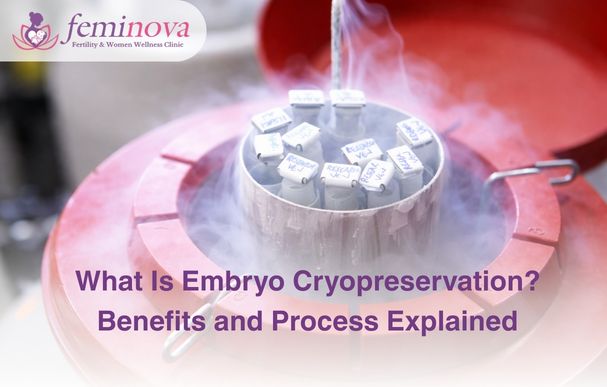
  • Vitrification: The highly graded embryos are then carefully frozen using liquid nitrogen to prevent ice crystals from forming, that could damage the embryonic cells.
  • Storage in Bank-The storage of these embryos is usually in a lab and they can be safely preserved for 10 yrs or even longer. If an egg is collected from a woman aged below 35yrs, there is about a 95% chance that the frozen embryos can survive the thawing process.

Process Of Using The Frozen Embryos For Pregnancy:

Once you decide to get pregnant, FET (Frozen embryo transfer) begins. The mother usually receives oestrogen pills or injections for improving the uterine lining and progesterone treatment to make the uterus safe for embryo. In cases where the mother has natural cycles, the doctor waits until ovulation and then the embryo is transferred into the uterus 5 days after ovulation. This is called natural FET (Frozen embryo transfer).

Benefits Of Cryo-Preservation:

  • It is useful for couples who don’t wish to get pregnant any time soon. 
  • Couples with fertility issues.
  • Helpful for couples that undergo treatments which damage their fertility.
  • Women who are uncertain of their partners can choose for their eggs to be frozen & get fertilized with donor sperm at a later date. 

Risks: 

You should be aware of the risks associated with this procedure, even if it is a minor one. 

  • Damage to the embryos while freezing
  • Weak embryos that do not fit the criteria  cannot be frozen
  • Failure to get pregnant even after implantation
  • Higher incidence of age related pregnancy risks. 
  • Multiple births if more eggs are implanted.

Conclusion - Cryo-preservation of embryos is one of the best techniques available, in today’s world for couples trying to conceive, who are otherwise not able to do so under normal circumstances. Individuals and couples these days choose to defer having babies due to a variety of reasons. Cryo-preservation helps couples in the future, when there is better stability in their personal and financial life. Couples opting for embryo cryo-preservation should consult the best IVF Clinic In Hyderabad in such cases.  So, come to Feminova, for an unbiased and non -judgemental session and walk out with more confidence than when you came in! 

Can't find an answer? Book a clinic visit or Call us  at +91 9966888702 or +91 8125860069

Is IVF more successful with embryo cryo-preservation?

Not necessarily, but the success rates of frozen thawed embryo transfers are similar to fresh embryo transfers.

Does freezing the embryos damage them?

Yes, not all embryos survive the process, but changes in vitrification techniques like usage of different cryo-protectants can help in reducing risks, allowing for high survival rates.

Can a couple get pregnant even after menopause through cryo-preservation of embryos?

Yes, a couple can get pregnant even after menopause through cryo preservation of embryos, with associated hormonal therapy and subsequent in-vitro fertilization.

What is the age limit of embryo cryopreservation?

There is no fixed age limit for this process; it depends on factors like duration of storage and biological age of the couple opting for the procedure.


Are freezing eggs and freezing embryos the same?

No, freezing eggs means preserving unfertilized mature eggs that offer options to individuals who are unsure about their partners, while embryo freezing is a good choice in preserving fertilised eggs - this is useful for couples who are opting for a pregnancy a few years later.