Can AI Improve IVF Success Rates? What Patients Should Know

Can AI Improve IVF Success Rates? What Patients Should Know

Can AI Improve IVF Success Rates? What Patients Should Know

Can AI Improve IVF Success Rates What Patients Should Know

Introduction

The term AI conjures futuristic images and lots of expectation- with respect to how it may change lives in different sectors. We are no strangers to the use of AI in IVF Clinics either. IVF Clinics are no longer places where retrieved eggs are just fertilised with sperm cells so that an embryo is formed, for it to be inserted into the uterus. It is a place where reproductive wellness is understood in great detail- and that begins by understanding what happens in IVF and how each step of the process is vital and needs to be performed at the right time for the best outcomes in the end. 

Let us look at how we use AI at Feminova Clinics- the best fertility clinic in Hyderabad, below! 

AI in The IVF Process- Necessary Or Not?

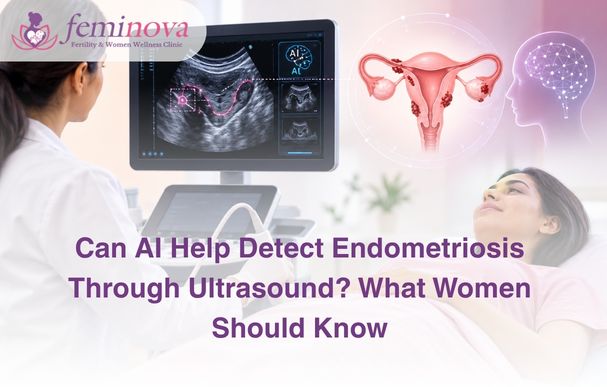
Let us look at how AI can help improve the workings of an IVF Clinic, though the overarching advantage is its ability to use predictive modeling based on specific algorithms, when specific parameters are used. These programs can help doctors understand how much there is a possibility of having a successful cycle- based on information like hormonal levels, detailed medical history, previous medication use and results of any genetic screening tests which may have been done previously. 

The specific steps where such AI programs are used extensively include- 

  • Embryo selection- Previously, embryologists would have to take multiple images and then evaluate each of them carefully for any anomalies and to identify which embryo would be the best to insert into the uterus or decide which one would have the best chances of implantation. Now, there are programs which allow these AI programs to pick out the best embryo- as it has been trained extensively using thousands of images. 
  • Monitoring hormone levels or changes- Changes in hormone levels can be tracked in real time using AI programs- with data on estrogen and progesterone derived from blood tests, previous imaging tests and other information - to come up with the right kind of [protocol needed to stimulate the ovaries, prevent ovarian hyperstimulation syndrome (OHSS) and predict when best to extract mature eggs. They can also check for uterine receptivity, to improve changes of implantation after embryo transfer. 
  • Imaging of developing embryos- Embryos formed after fertilization are allowed to grow for 3-5 days in the lab. Time lapse imaging of these embryos can help us understand which one is the most well developed one, which can be transferred into the uterus. 
  • Semen analysis- AI algorithms can generate accurate reports after semen sample has been analysed. Semen samples can be analysed by an AI program to check for sperm number, motility and pick the ones with the best characteristics for ICSI- a cell that has good motility and has no structural abnormalities. When a patient has been diagnosed with azoospermia, it is not that they have no sperm cells at all. The count is very low- and AI platforms can find these sperm cells in the sample and retrieve them for further use. Another advantage is that sperm cells can be visualised without the need to stain them with specific dyes. Embryologists can hence pick viable sperm much more easily from a sample. 

Advantages of Using AI in IVF- 

These are the pros of utilising AI programs- 

  • There is greater precision and removal of human error. 
  • The predictive modelling ability can help a doctor map out how the IVF cycle may play out- and adjust their hormone medications and time egg maturation and retrieval better. 
  • Time is saved- as test results can be obtained faster, with lesser chances of mistakes being made. 

Conclusion-

Using AI means that patient health data must be safeguarded using specific methods, as at the end of the day, it is just a tool- albeit a very advanced one that an experienced embryologist or doctor will use. Plus, AI is only as fair as the training models it has been given to work with initially- so there needs to be someone who can understand if the results given by the algorithm are biased or not. That comes with experience and a better understanding of the finer aspects of the IVF process. 

Call us at Feminova Clinics- if you have been searching for the best IVF Clinic Near Me, best Male Fertility Clinic Near Me, or best Best Doctor For Pregnancy Near Me, online, today! 

Can't find an answer? Book a clinic visit or Call us  at +91 9966888702 or +91 8125860069

How is AI used in IVF treatment?

Artificial intelligence (AI) in IVF uses computer algorithms to analyse large amounts of clinical and laboratory data. AI-assisted tools can help assess embryo development, analyse images of embryos, and support certain decision-making processes during fertility treatment.

Can AI improve IVF success rates?

AI has the potential to improve certain aspects of IVF, particularly embryo assessment and treatment planning. By analysing patterns that may not be easily identified through manual evaluation alone, AI can provide additional information that supports clinical decision-making during an IVF cycle.

Does AI replace fertility specialists and embryologists?

No. AI is a support tool and does not replace fertility specialists or embryologists. IVF treatment decisions continue to rely on medical history, diagnostic findings, laboratory assessments, and the expertise of the fertility team.

Is AI used to select embryos for transfer?

Yes. Some IVF centres use AI-assisted systems to analyse embryo images and developmental patterns. These tools provide additional information that can complement conventional embryo grading and support embryo selection during the IVF process.

Should patients choose an IVF centre solely because it uses AI?

No. AI is one component of fertility care and should be considered alongside factors such as the experience of the fertility specialists, embryology laboratory standards, treatment options, and the centre's overall approach to patient care and clinical decision-making.


Autoimmune Conditions and Fertility: Is There a Connection?

Autoimmune Conditions and Fertility: Is There a Connection?

Autoimmune Conditions and Fertility: Is There a Connection?

Autoimmune Conditions and Fertility: Is There a Connection?

Introduction-

Autoimmune conditions can have a bearing on fertility, although not in the melodramatic way online health content sometimes suggests - where one diagnosis arrives and everything immediately unravels. It is usually subtler than that, and therefore much easier to miss. Signs include - a cycle that never quite behaves, a pregnancy that begins and then quietly disappears or like an IVF attempt that looked promising on paper but did not take. 

The Body Does Not Separate Fertility From Everything Else-

Pregnancy itself is not a passive event. It is a remarkable immunological compromise. Add an autoimmune condition to the mix and it becomes easier to see how things might go off course, not always dramatically, not always irreversibly, but enough to matter.

Researchers have been trying to map this overlap for years in thyroid autoimmunity, which is one of the commonest immune-related issues seen in reproductive-age women. A review published in Frontiers in Endocrinology observed that “TAI may negatively affect female fertility”, which is a very restrained scientific way of saying that thyroid autoimmunity is not a trivial background finding when someone is struggling to conceive. 

Where Autoimmunity Tends To Show Its Hand-

The most obvious examples are conditions such as Hashimoto’s thyroiditis, lupus, antiphospholipid syndrome, celiac disease, rheumatoid arthritis and certain inflammatory bowel diseases, respectively. The reproductive consequences are not always obvious to the patient living through them. 

Thyroid disease may present as cycles that become erratic or ovulation that loses its rhythm. This is why women so often begin with one apparently straightforward complaint and end up discovering a far more tangled picture.

Someone may go looking for a Gynecologist In Lingampally or a Gynecologist Near Lingampally because her periods have become erratic, only to find that what she actually needs is a broader fertility and endocrine work-up and perhaps a more coherent plan for PCOS treatment in Hyderabad than the one she has been handed so far.

Sometimes Conception Is Not The Problem At All-

Some women with autoimmune conditions struggle to get pregnant while others conceive relatively easily and only discover there is a problem when pregnancies keep ending before they should. The emotional burden of those two experiences is different, but medically they belong to the same family of questions.

This is why recurrent miscarriage deserves a proper investigation rather than a perfunctory reassurance that these things happen. Of course they do happen. But when they happen repeatedly in a woman with thyroid disease, inflammatory symptoms, known autoimmunity, or a history suggestive of endocrine imbalance, the conversation needs to be more ambitious than that. 

Does An Autoimmune Condition Mean You Will Need IVF?

Autoimmunity does not automatically equal assisted reproduction. Sometimes fertility improves once the underlying condition is brought under better control. Thyroid levels are stabilised. Medication is adjusted before conception. Insulin resistance is treated. Nutritional deficiencies are corrected. Inflammation is reduced. Cycles become more predictable and the body stops working quite so hard against itself. For some women that is enough to alter the entire trajectory.

For others, fertility treatment still has an important role, but even then it is not always the same route. Some couples do well with ovulation induction and IUI Treatment in Hyderabad. 

Others need more advanced support because male factor infertility, poor fertilisation, low ovarian reserve, repeated implantation failure, or long-standing ovulatory dysfunction are also part of the picture, in which case ICSI Treatment in Hyderabad, a Fertility Clinic In Hyderabad, or an IVF Clinic In Hyderabad may become relevant. The point is not to race towards the most dramatic intervention. It is to work out what the body is actually asking for.

Conclusion-

So yes, there is a connection between autoimmune conditions and fertility. Sometimes the immune system disrupts ovulation through thyroid disease. The reassuring part is that once the right questions are asked the story often becomes less bewildering. 

A woman may need better thyroid management, stronger PCOS treatment in Hyderabad, preconception planning, IUI Treatment in Hyderabad, ICSI Treatment in Hyderabad, or support from an IVF Clinic In Hyderabad that understands the overlap between reproductive medicine and autoimmune disease. 

Can't find an answer? Book a clinic visit or Call us  at +91 9966888702 or +91 8125860069

Can an autoimmune condition make it harder to get pregnant even if my periods are regular?

Yes, it can. Autoimmune conditions can sometimes affect fertility through inflammation or thyroid-related problems even when cycles appear normal.

Should I visit a fertility clinic before trying to conceive if I already have an autoimmune disorder?

In many cases, yes. A visit to a Fertility Clinic In Hyderabad before pregnancy can help review your medications, disease control, ovulation pattern, and any risks that may affect conception or early pregnancy.

Are recurrent miscarriages ever linked to autoimmune conditions or thyroid problems?
They can be. Autoimmune thyroid disease and conditions such as antiphospholipid syndrome are known to increase the risk of pregnancy loss in some women. In such cases, seeing a specialist at a Women Clinic Nearby can be an important next step.
If I have PCOS as well as an autoimmune condition, will my fertility treatment be different?
It may be, because treatment often needs to address both ovulation problems and the underlying inflammatory or hormonal imbalance at the same time.
Can I still undergo IUI or IVF if infertility is linked to an autoimmune condition?

Yes, but the underlying condition usually needs to be stabilised first. Your doctor may recommend IUI Treatment in Hyderabad or ICSI Treatment in Hyderabad at an IVF Clinic In Hyderabad, especially if ovulation, implantation, or male fertility factors are also involved.

Recurrent Implantation Failure: What Tests Should Be Considered?

Recurrent Implantation Failure: What Tests Should Be Considered?

Autoimmune Conditions and Fertility: Is There a Connection?

Recurrent Implantation Failure What Tests Should Be Considered

Introduction- The medical definition of recurrent implantation failure- is when the embryo fails to implant in the uterus - 4 healthy embryos have been used at a minimum, in 3 consecutive cycles. It can be soul crushing, having to go through all those steps in an IVF cycle, multiple times and still have to walk away with a negative pregnancy test, 2 weeks after the latest embryo transfer.

You will need to walk in to Feminova Clinics- the best IVF Clinic In Hyderabad or talk to the Best IVF Doctor In Hyderabad to understand why this may be happening and what has to change for better outcomes in the future. 

Reasons Why Recurrent Implantation Failure Occurs- 

Doctors tend to look at two distinct areas where problems may have risen- 

Issues with the embryo itself- An embryo that looks healthy and normal under a microscope may be carrying certain DNA mutations which cannot be seen by the naked eye. When such embryos are used, implantation may not occur at all, or there is a greater risk of a miscarriage later on. 

Tests done to check include- 

  • PGT-A - Errors in DNA tend to accumulate within age, which is why it is better to get them checked with a specialised test called PGT-A - Preimplantation genetic testing for aneuploidy. This test checks if the embryo has a lower or higher number of chromosomes, when compared to the normal 23 pairs. After the results are obtained, embryo transfer can be done in the next session. 
  • Sperm DNA fragmentation- If the sperm DNA has been fragmented or mutated due to poor lifestyle related factors, exposure to excessive heat, smoking, drinking or other possibilities, then this specialised test is done to check if the genetic material in the sperm cells are sound enough to be used for fertilisation of a matured egg later on. 

If these tests come back with normal or no troublesome findings, then doctors will check the next possibility- if the uterus is healthy enough and the endometrial lining is receptive for implantation to occur. 

Tests done include- 

  • Detailed imaging to check for fibroids, polyps or any other structural abnormalities in the uterus which can hamper implantation. Extensive scar tissue formation from previous surgeries or infections due to inflammation or even the formation of a septum can be problematic. A 3D ultrasound scan and hysteroscopy is done to check for any of these anomalies. 
  • Thickness of endometrial lining- A thin endometrial lining does not support implantation. It needs to be the right thickness- 7-14mm; higher and lower numbers can affect implantation adversely. Different protocols may need to be used with estrogen to increase thickness if it is lower than the threshold. 
  • Endometritis which is chronic- Recurrent inflammation of the endometrial lining can impact implantation severely, even if there is no real infection present. Endometrial biopsy can help ascertain if cells are chronically inflamed and this is normally treated with antibiotics. 

A few specialised tests include-

  • ERA Test - When the doctor does the embryo transfer is also paramount for implantation to occur- this is where an ERA test comes in- endometrial receptivity analysis check when the endometrial lining is its most receptive at the peak of the luteal phase, so that the embryo can implant with ease after transfer. Some women may have this window occurring earlier or later than in the luteal phase, which can interfere with implantation - this is a displaced implantation window. 
  • Immune Testing- Some women may also have a hyperactive immune system where the immune cells target the newly growing embryo. Specific tests include- NK or natural killer cells testing, antiphospholipid antibody testing (to check for blood clotting in the uterine blood vessels) and thrombophilia screening - where blood clots more easily than usual. 

Conclusion- RIF can be hard to deal with and all these tests can be confusing too- as there is so much going on. What you can do is continue eating healthy, maintain a healthy BMI, not expose yourself to smoke or alcohol, make sure you have enough Vitamin D and learn how to manage stress better.

So call us at Feminova Clinics- if you have been searching for the best Gynecologist in Nallagandla, Gynecologist Near Chanda Nagar, Best Doctor For Pregnancy Near Me or the best Fertility Clinic In Hyderabad online, right away! 

Can't find an answer? Book a clinic visit or Call us  at +91 9966888702 or +91 8125860069

What is recurrent implantation failure?

Recurrent implantation failure (RIF) refers to repeated unsuccessful embryo transfers where implantation does not occur despite the transfer of embryos suitable for implantation. The evaluation focuses on factors related to embryo quality, the uterus, endometrial receptivity, and parental genetics to identify possible causes.

What tests are recommended for recurrent implantation failure?

The evaluation may include uterine cavity assessment using hysteroscopy or saline infusion sonography, genetic testing such as parental karyotyping, preimplantation genetic testing for aneuploidy (PGT-A) in selected IVF cycles, Endometrial Receptivity Analysis (ERA) when indicated, hormone testing, and investigations for chronic endometritis or other uterine conditions based on clinical findings.

Can recurrent implantation failure be caused by problems with the uterus?

Yes. Conditions such as uterine polyps, fibroids that distort the uterine cavity, intrauterine adhesions, congenital uterine abnormalities, and chronic endometritis can interfere with embryo implantation. Imaging studies and hysteroscopy help identify these conditions. 

Does recurrent implantation failure always mean the embryos are abnormal?

No. Implantation depends on several factors, including embryo chromosomal status, uterine health, endometrial receptivity, and the timing of embryo transfer. A comprehensive evaluation helps determine which factors require further investigation before another IVF cycle.

When should I undergo further testing after unsuccessful IVF cycles?

Further evaluation is considered after repeated unsuccessful embryo transfers, when good-quality embryos have been transferred without implantation. A fertility specialist reviews the treatment history, embryo development, previous investigations and uterine assessment to recommend appropriate diagnostic tests and the next steps in treatment.


Hydrosalpinx and Fertility: Can Fluid in the Fallopian Tube Affect IVF Success

Hydrosalpinx and Fertility: Can Fluid in the Fallopian Tube Affect IVF Success

Autoimmune Conditions and Fertility: Is There a Connection?

Hydrosalpinx and Fertility Can Fluid in the Fallopian Tube Affect IVF Success

Introduction-

The term hydrosalpinx is used to describe the presence of a sterile watery fluid in the fallopian tubes, which can block the tube and cut off access to the uterus, for a matured egg, when released by the ovary. How is this condition going to affect IVF? Simple- egg maturation goes according to plan but retrieval gets affected. This condition can also affect you if you are trying to conceive naturally, as the egg has no way to meet the sperm cells, to get fertilised. 

You need to get in touch with the best fertility clinic in Hyderabad- and talk to a fertility specialist to diagnose this condition in time and treat it - so you have greater chances of conceiving either naturally,with IVF or other fertility treatments. 

Causes of Hydrosalpinx- 

The fallopian tubes can be thought of as the passage that matured eggs take, to reach the uterus after they are relased by the ovary. Iit is also where they will get fertilised by sperm cells after intercourse. There are tiny finger-like structures called the fimbriae in the fallopian tubes which help this downward movement. If you have had an infection or suffer from other chronic conditions, then the fimbriae may close and trap liquid in them while healing- closing off the only path available for the egg to move in. The fallopian tubes can then swell. 

Pertinent causes include- 

  • Endometriosis- Endometrial tissue tends to grow in a lot of other places other than the uterus- like on the ovaries, fallopian tubes, pelvic lining etc. leading to recurrent rounds of inflammation and scar tissue formation. This can also result in fluid accumulation in the fallopian tubes. 
  • If surgery was done previously and scar tissue has formed in the area - includes surgery in the abdominal or pelvic areas too, which were done for cysts, fibroids, polyps etc. 
  • If there is any infection that affects the ovaries and fallopian tubes, causing them to get swollen with fluid and block passage. 
  • Untreated STIs- like chlamydia, gonorrhea, specific bacteria, mycoplasma, ureaplasma etc.  can travel much farther into the reproductive tract and damage the fallopian tubes, ovaries and other parts of the reproductive system. 
  • Tuberculosis- If tuberculosis bacteria reach the fallopian tubes and cause an infection, it can lead to inflammation and fluid accumulation. This is a very rare cause of hydrosalpinx though. 

Symptoms To Know Of- 

There are no prominent symptoms, other than- 

  • The inability to get pregnant
  • Having severe pelvic or abdominal pain during or after periods
  • Sticky or discoloured vaginal discharge 
  • Excessive discomfort on your periods can all point to hydrosalpinx as a probable issue. 

How Does Hydrosalpinx Affect Fertility?

As mentioned above, the egg has no way to move down to the uterus and if fertilisation does occur, the chances of having an ectopic pregnancy are very high. At times, the fluid can leak into the uterus and cause issues with implantation too. This can hence impact IVF in two ways- egg retrieval and poor chances of implantation after embryo transfer respectively. 

Treatment Of Hydrosalpinx- 

Surgery is the best way to treat this condition- 

  • Salpingectomy- The affected fallopian tube is surgically removed, so that the other ovary and fallopian tube can take over egg maturation and release and hopefully make conception possible. 
  • Salpingostomy- A small hole is made in the affected tube, so that there is space for the egg to move in. This condition can recur however and this procedure has much lower success rate than salpingectomy in general. 
  • Antibiotics for infections- if any are present. But, the blockage itself remains behind.
  • Opting for IVF after Salpingectomy - so that egg retrieval and embryo transfer can progress smoothly in the IVF cycle. 

Conclusion- Hydrosalpinx is a condition that affects many women and is completely treatable in most cases. You just need to be careful about reporting any abnormal symptoms to your doctor on time, so this condition can be diagnosed and treated quickly. 

Please call us at Feminova Clinics if you have any concerns or have been looking for the Best Doctor For Pregnancy Near Me, Best Fertility Center Near Me, Best Gynecologist Near Lingampally or Gynecologist Near Chanda Nagar, online, right away! 

Can't find an answer? Book a clinic visit or Call us  at +91 9966888702 or +91 8125860069

What is hydrosalpinx?

Hydrosalpinx is a condition in which a fallopian tube becomes blocked and fills with fluid, usually due to previous pelvic infections, endometriosis, or surgery. The damaged tube loses its normal function, and the accumulated fluid can interfere with natural conception and reduce the chances of a successful IVF pregnancy.

Does hydrosalpinx reduce IVF success rates?

Yes. Fluid from a hydrosalpinx can flow back into the uterus, creating an environment that interferes with embryo implantation. It is also associated with lower pregnancy rates and a higher risk of miscarriage. Treating hydrosalpinx before IVF can improve the likelihood of successful implantation.

How is hydrosalpinx diagnosed?

Hydrosalpinx is diagnosed using imaging tests such as transvaginal ultrasound, hysterosalpingography (HSG), or laparoscopy. These investigations help identify blocked, fluid-filled fallopian tubes and allow the fertility specialist to determine whether treatment is needed before starting an IVF cycle.

What treatment is recommended for hydrosalpinx before IVF?
Surgical removal of the affected fallopian tube (salpingectomy) or blocking the tube close to the uterus are common treatment options before IVF. These procedures prevent the fluid from entering the uterus and improve the environment for embryo implantation and pregnancy.
Can I still become pregnant if I have hydrosalpinx?

Yes. Pregnancy is possible after appropriate treatment, particularly with IVF. Managing hydrosalpinx before embryo transfer improves the chances of implantation by preventing inflammatory fluid from affecting the uterine cavity. Your fertility specialist will recommend the most suitable treatment based on your reproductive history and test findings.


How Long Should You Wait Between IVF Cycles?

How Long Should You Wait Between IVF Cycles?

How Long Should You Wait Between IVF Cycles?

How Long Should You Wait Between IVF Cycles

Introduction-

One of the crueller features of IVF is that it leaves very little room for little else. A cycle fails and before the disappointment has properly landed, before the hormones have settled, before the body has even decided what sort of shape it is in after weeks of stimulation and surveillance, the next question is already pressing at the door. 

When can we go again? It is an entirely sensible question and, in the aftermath of a failed cycle, often an urgent one. 

Is Waiting A Good Choice Between IVF Cycles?

Patients often ask how long they should wait between IVF cycles as though the answer lives in a fixed interval, something respectable and universal like six weeks or two periods. 

Medicine is much easier to tolerate when it can be reduced to a number. But IVF is not a wisdom tooth extraction where the body follows a reasonably predictable path from intervention to healing. It is a hormonal performance staged at very close quarters and the recovery depends not only on what was done but on how the body responded to it.

A failed cycle can mean several different things.

  • It may mean a fresh transfer that did not implant despite a smooth stimulation cycle and an uncomplicated recovery. 
  • It may mean a biochemical pregnancy or an early miscarriage, which turns the conversation from simple timing to one that also includes hCG resolution, uterine recovery and whether further investigations are needed. 

There Are Times When Another Cycle Can Start Fairly Soon-

And that can be especially appropriate when the previous cycle yielded useful information rather than clinical concern. In these situations, waiting for a long time really serves no great purpose-

  • Egg collection went smoothly but the embryo quality was not what everyone hoped for and the next attempt will simply involve a change in medication dose or timing. 
  • There was a failed transfer but no sign that the body struggled with treatment itself. 
  • Frozen embryos are already available and the next step is a planned transfer rather than another full stimulation cycle.

A Pause Is Not The Same Thing As Losing Time-

This is the part many patients find hardest to accept because fertility treatment trains people to think of every month as precious and every delay as vaguely punitive. These are a few situations where waiting for a few months can actually be helpful. 

  • If a woman has developed ovarian hyperstimulation, even in a milder form, the ovaries may need longer to return to something resembling normality. 
  • If she has been left with a persistent cyst after retrieval, stimulating again too quickly may be unhelpful or uncomfortable. 
  • If a cycle has ended in miscarriage, the body needs more than a polite nod in the direction of recovery.

What Your Fertility Specialist Is Actually Looking At Before Saying Yes-

When a doctor decides whether another cycle can start, the question is not simply if the period has returned. That is only one small piece of the picture. 

We are actually looking at ovarian recovery, cyst formation, residual hormone activity, the risk of hyperstimulation recurring, the number and maturity of eggs collected, the fertilisation pattern, embryo development, the quality of the uterine lining, and whether the previous cycle suggests an issue with implantation, egg quality, sperm quality or the stimulation plan itself.

Conclusion-

For some women, that will mean one menstrual cycle and a fairly swift return to treatment. For others - those recovering from miscarriage, hyperstimulation, difficult retrievals, persistent cysts, or unresolved questions around embryo quality, it may mean waiting longer and using that time to rethink the plan rather than simply repeat it.

If the next step involves a revised stimulation protocol, IUI Treatment in Hyderabad, ICSI Treatment in Hyderabad, or a fresh review with the Best IVF Doctor In Hyderabad at an experienced IVF Clinic In Hyderabad, then the principle remains the same. The goal is not to restart treatment at the earliest possible moment. The goal is to restart it at the best one.

Can't find an answer? Book a clinic visit or Call us  at +91 9966888702 or +91 8125860069

Can I start another IVF cycle immediately after a failed one?

Sometimes yes, especially if the previous cycle was uncomplicated and your ovaries have recovered well, but not every failed cycle should be followed by another one straight away.

Is it harmful to do IVF cycles back to back?

Not necessarily, but “possible” and “wise” are not always the same thing in fertility medicine. Some women tolerate back-to-back cycles perfectly well, while others need more time.

Do I need to wait longer after an IVF miscarriage than after a failed transfer?

In many cases, yes. After a miscarriage, doctors usually want hCG levels to return to baseline, make sure the uterus has cleared properly, and allow at least one natural cycle before starting again.

If my IVF failed because of poor embryo quality should I still try again quickly?

Possibly, but only after the clinic has looked closely at why embryo quality may have been poor in the first place. Sometimes the next cycle can proceed quite soon with a revised stimulation plan, but in other cases your specialist may want to review egg quality, sperm factors, lab conditions.

Does waiting longer between IVF cycles reduce my chances of success?

Not necessarily. A short delay is often more helpful than harmful if it gives the body time to recover or allows the fertility team to improve the plan for the next cycle.