
What Is Pre-implantation Genetic Diagnosis? A Guide for Families
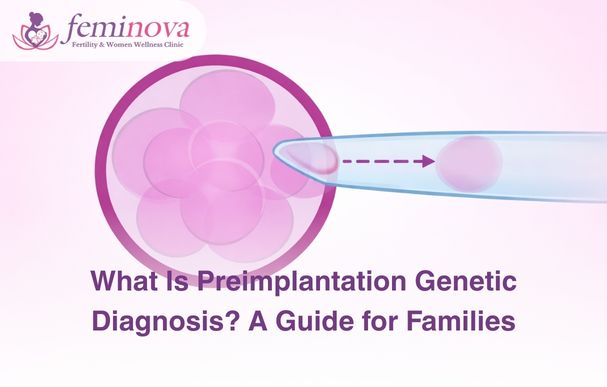
Introduction- Every parent wants to have a hearty and healthy child, with no abnormalities or disorders. This is where PGD comes in. In natural conceptions, prenatal tests are done to identify genetic abnormalities while in IVF conceptions, pre-implantation genetic screenings are done to identify abnormalities in fertilised embryos. These tests are legal and are available in most fertility centres. Specialised techniques like biopsy of embryo and subsequent genetic analysis using techniques like PCR, FISH or CGH is done for identification of normal, healthy embryos – all in an effort to prevent miscarriages from occurring in the future, or to prepare you for any other eventuality. Cost can vary according to the area and centres and it requires a significant amount of financial investment in some cases. The use of PGD as a mode of screening is increasing in India, as there is greater willingness to try IVF and other ART methods, if natural conception is not happening.
What Is A Pre-Implantation Genetic Diagnosis (PGd) And Its Types?
Pre implantation genetic diagnoses are a series of testing done on embryos which are fertilized through IVF, for screening genetic disorders or chromosomal abnormalities before transferring it to the mother. It helps your family to ensure and aim for healthy children, free from disorders by ending the familial history of genetic transmission of diseases.
Different types of PGD’s:
There are 2 main types:
- PGD for monogenic disorders/ PGT-M: This type of pre implantation genetic diagnosis is useful in detecting diseases of a single gene type; it is clear, specific and widely accepted. Helps in anomaly detection even before implantation in the uterus. These tests are recommended to couples with strong family traits of genetic anomalies identifying the possible percentage of anomaly transfer. For this test, the parents must initially undergo genetic testing to identify the error or mutation in the gene. Once the results are obtained, the embryos are diagnosed appropriately for those specific genetic anomalies making it easier for designing IVF protocols.
- PGS/PGT-A: This technique is used to select embryos with the right chromosomal number (euploidy), as this can determine its capability for implantation in the uterus. Embryos with higher or lower number of chromosomes (aneuploidy) may not implant correctly leading to pregnancy loss. It is specifically done for mothers of advanced age or with a recurrent history of miscarriage or failed IVF cycles.
What Is Analysed Using Pgd?
PGD is used for analysing chromosomal conditions in families where-
- One partner in the couple has a dominant gene of a genetic disorder; there is a 50% chance of their future offspring having the same genetic mutation.
- The mother is a carrier – she may or may not transfer the defective gene to her offspring and there is still a 50% chance of inheritance, depending on the gender of the child.
- Both the parents are genetically recessive – then there is about a 25% chance that their future offspring may be affected, and have both copies of the recessive gene- leading to the condition.
Conclusion– Pre-implantation genetic testing or diagnosis is an advanced science in the field of in-vitro fertilization. All the embryos produced through IVF may not be healthy and couples with a history of delayed fertility or genetic anomalies tend to face miscarriages. In such cases, PGD is more like a safe precaution and a confirmation if their embryo or future offspring can lead a healthy life or not. The decision can be made by the parents if they’re willing to take a chance with children who are genetically abnormal. This kind of diagnosis helps the couple to have a happy and healthy family. If they’re carriers of recessive genes, this procedure can help their off-springs and the future generations to be free from such genetic anomalies. These tests are conducted under the guidance of experienced doctors and IVF specialists in fully equipped fertility hospitals or clinics.
Can’t find an answer? Book a clinic visit or Call us at +91 9966888702 or +91 8125860069
Are the results of Pre-implantation Genetic Testing reliable and accurate?
Yes, it is highly accurate and reliable. While not all tests can be 100% accurate, the misdiagnosis rates are extremely low- less than 1%.
What type of genetic diseases can be identified with Pre-implantation Genetic Testing?
Monogenic/ single genes diseases like cystic fibrosis, Huntington’s disease, sickle cell anaemia and chromosomal abnormalities like aneuploidy can all be detected with PGD testing.
What is the cost of Pre-implantation Genetic Diagnosis in India?
The cost may vary from rupees 5000 to 1,00,000 per cycle. It depends on the type of pre-implantation genetic diagnosis, the number of embryos tested and the centre’s reputation.
What are the different types of Pre-implantation Genetic Testing?
PGT-A (Pre-implantation Genetic Testing for Aneuploidy), PGT-M (Pre-implantation Genetic Testing for Monogenic Disorders), PGT-SR (Pre-implantation Genetic Testing for Structural Rearrangements) are the different kinds of tests that are available these days.
Is pre- implantation genetic testing ethical?
There are complex and controversial opinions on its ethical question while proponents in support argue that this test can prevent genetic diseases and improve IVF success rate. Opponents raise points of embryo discarding, risks of misinterpreting results for non medical and unethical uses.