
Introduction
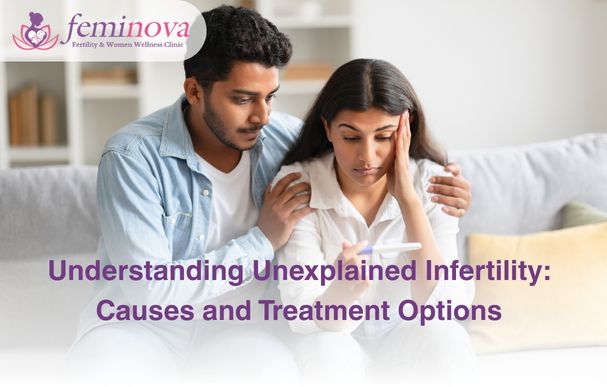
Unexplained infertility literally means that the specific cause for infertility is not known. Even when individuals feel fine and are actually healthy- preliminary test results say the same, they may not be able to conceive. The catch in this situation is that even detailed fertility tests reveal no abnormalities with respect to structure and egg or sperm quality. Undiagnosed endometriosis, uterine fibroids or polyps may contribute to infertility but at times may not directly influence it either. Hormonal changes also need to occur at the right time and if timing is off, fertility can get affected. Many couples may initially be diagnosed like this but conceive without treatment later on. So, let us look at some causes for idiopathic or unexplained infertility and explore treatment options that are available at the best fertility clinic in Hyderabad.
Causes for Unexplained Infertility
When a couple has had unprotected sex for over 6-12 months or even longer and are still not able to conceive, a detailed fertility assessment is warranted. Infertility can occur due to a variety of reasons but when evaluations say everything is normal, then it may be called idiopathic or unexplained infertility. Some other reasons include-
- You may be dealing with an undiagnosed underlying condition which is chronic- like thyroid issues, diabetes, nutritional deficiencies etc.
- For women, egg quality is as important as number- so blood tests need to be done, as imaging can only give a rough estimate of the number of eggs present in the ovaries. Tests check for AMH, FSH, AFC (Antral Follicle Count), Estradiol test (higher levels early in the cycle can correspond to poorer egg quality) and others. Genetic testing may also be recommended in some cases.
- Women having endometriosis have a harder time conceiving, when compared to other women.
- Quality of cervical mucus- This may seem like a small detail, but if the mucus is too thick or acidic, then sperm cannot move towards the egg and this can hamper fertilization.
- Sperm quality- Just looking for count, motility and structure may not be enough. Detailed quality testing may be necessary – like HBA assay, ROS test, antisperm antibody test, sperm penetration test, sperm DNA fragmentation test etc. respectively.
Why You May Be Diagnosed With Unexplained Infertility
Here are some reasons as to why you may be diagnosed with unexplained infertility-
For women-
- When you ovulate at regular intervals and your cycle is normal.
- There is no issue or blockage in the fallopian tubes
- Your uterus looks and functions normally – no problem with the endometrial lining.
- Hormones needed to govern the whole process – from egg release to fertilisation and implantation seem to be in normal range.
- You have a good ovarian reserve for your age.
For men-
- Sperm count is within range in the sample you have given.
- Sperm motility is good.
- Shape and structural tests reveal normal results.
Studies show that about 15-30% of all infertility related cases seeking treatment can be attributed to unexplained infertility in the Indian subcontinent. This is because tests normally check for overt issues. Subtler problems may not be diagnosed in the first pass and will hence require detailed testing.
Treatment Options for Unexplained Infertility
Some well known treatment options include-
- Assisted Reproductive Technology– Methods like IUI (intrauterine insemination) and IVF are very well known choices. To help improve fertilisation chances, ICSI (intra-cytoplasmic sperm injection) can be performed- so that sperm can be directly injected into the egg and barriers to fertilisation are overcome much better. ICSI is a great choice when sperm motility or quality is an issue.
- When you opt for IUI or IVF, you will be given hormonal medications like gonadotropins and clomiphene. Gonadotropins are prescribed to promote follicle development and egg production in women and can help with low sperm count in men. Clomiphene helps increase the number of eggs that will be released in women- which also increases chances of conception.
- The last way is when the gynecologist asks you to track your cycle closely- using ovulation kits, with basal temperature changes, so you can time intercourse within your fertile window – right before or during the days of ovulation.
Conclusion
Unexplained infertility as a diagnosis can be hard to understand and deal with- as technically there is no issue but you are still not able to conceive. In such cases, the gynecologist may ask you to continue trying like before. It does you no good to get stressed, so instead- try to pivot and see about making necessary lifestyle changes- like eating nutritious meals, getting enough exercise every week and managing stress actively in different ways. If you would like to get a second opinion, then you should go ahead. If you’d prefer not to wait and instead want to begin fertility treatment without delay, talking to the best IVF doctor in Hyderabad makes total sense. So, call us at Feminova Clinics for a consultation today!
Can’t find an answer? Book a clinic visit or Call us at +91 9966888702 or +91 8125860069
When should a couple seek medical help for infertility?
Couples should seek evaluation after 12 months of regular, unprotected intercourse, or after 6 months if the woman is 35 years or older.
Are there situations where help should be sought earlier?
Yes. Immediate evaluation is recommended for irregular periods, absent ovulation, known uterine or tubal conditions, endometriosis, or male sexual or semen concerns.
Does age affect when infertility evaluation should begin?
Yes. Female fertility declines with age, so women over 35 should not delay assessment, even if cycles appear regular.
When should men be evaluated for infertility?
Male evaluation should occur at the same time as female assessment, especially with low sperm count, erectile dysfunction, testicular injury, or previous infections.
Can early fertility evaluation improve treatment outcomes?
Yes. Early diagnosis allows timely intervention, prevents progression of underlying conditions, and improves success rates with fertility treatments.