
What Is Pre-implantation Genetic Diagnosis? A Guide for Families
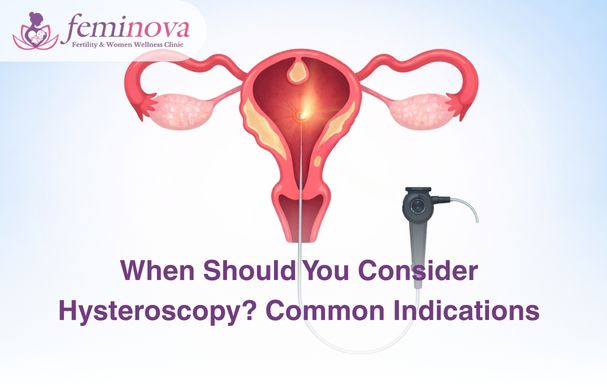
Introduction- The uterus is a tiny, muscular organ located deep within the pelvis and looks almost like a bag, ready to receive an egg after fertilisation and provides a spot for implantation to occur so further development can occur. When there are certain signs like pain, excessive bleeding or other symptoms which may not be easy to understand, detailed imaging may help pinpoint the exact underlying cause. A hysteroscopy is an easy procedure that can be performed by an experienced women clinic nearby. Let us look at what it is and when it needs to be performed in greater detail.
What is A Hysteroscopy?
A scope in medical terms is just another way of telling you that there is a camera which will be able to provide real time imaging of the body part in concern. The same principle applies here- a thin tube with imaging capabilities is inserted into the uterus through the cervix and vagina and this can then help the gynecologist diagnose or even operate on a particular condition. It becomes a diagnostic procedure when the doctor is trying to understand what the cause for the symptoms are, while it is operative if you need surgery for previously diagnosed conditions like uterine fibroids, polyps or adhesions. It can be both diagnostic and operative in nature if the doctor suspects polyps or fibroids and uses a hysteroscope while operating on them.
When To Get A Hysteroscopy Done?
If you have the following symptoms, then you should talk to a specialist in the best fertility clinic in Hyderabad without too much delay-
- When there is heavier bleeding than usual- If you are losing more blood than on your heaviest period or if all of your periods are very heavy, then it is time to get it checked. This symptom may be due to polyps, fibroids or major hormonal shifts.
- Spotting or irregular periods- If you notice some spotting between your monthly cycles or your regular periods suddenly become irregular, then you should talk to a doctor.
- Severe pelvic pain or cramping- Cramping or pain does not have to be a usual feature of your monthly cycle. If there is too much pain, then it may be fibroids or adhesions too.
- Postmenopausal bleeding- If you are menopausal and suddenly have bleeding, you should check it out, as a hysteroscopy can check the uterine lining for any abnormal changes or cancerous growth.
- Unexplained infertility-Not being able to get pregnant may be a side effect of various uterine issues. So, you can get a hysteroscopy done to check.
- Multiple miscarriages- if you have repeatedly dealt with pregnancy loss, then you should evaluate the uterus too as some defect may be the underlying cause- which can be corrected in a majority of cases.
Benefits of Getting a Hysteroscopy-
The main advantage of a hysteroscopy is that it is minimally invasive- as there are no incisions or stitches to worry about. You can go home the same day after the procedure is done. It allows the gynecologist to get a clear view of the uterus, its lining and any associated structures. The risk of developing complications is almost none to very minimal and when you get it done early, you can go for prompt treatment too.
But, not every woman is eligible for it- if you are pregnant, have a severe pelvic infection or have any conditions that don’t allow the hysteroscope to enter the uterus easily, then you may need to look at other diagnostic tests for uterine issues.
Conclusion- Being proactive about your reproductive health is a great way to ensure that there are no unwanted surprises. This can also ensure that you will be diagnosed correctly and will then be able to get appropriate treatment. The procedure is not painful at all and is minimally invasive, with most women not needing anaesthesia at all. Though women are taught not to worry too much if there is cramping, changes in bleeding schedule or change in discharge as all these factors are dependent on hormonal changes, it is important to understand when something may be seemingly minor and when a particular symptom may be a sign of something more critical. So, if you have been searching for ‘the best gynecologist near me’, then you don’t have too far to go- walk into Feminova Clinics and schedule a consultation with our fertility specialists today!
Can't find an answer? Book a clinic visit or Call us at +91 9966888702 or +91 8125860069
What is hysteroscopy and why is it done?
Hysteroscopy is a minimally invasive procedure used to directly view the inside of the uterus. It helps identify and treat conditions affecting implantation, menstrual health, and fertility outcomes.
When is hysteroscopy recommended during fertility evaluation?
Hysteroscopy is recommended when imaging tests show uterine abnormalities or when infertility remains unexplained despite normal blood tests, scans, and ovulation assessment.
Can hysteroscopy help in recurrent implantation failure or miscarriages?
Yes. Hysteroscopy detects uterine polyps, fibroids, adhesions, or septa that interfere with embryo implantation and pregnancy continuation, allowing targeted correction.
Is hysteroscopy required before IVF or fertility treatment?
Hysteroscopy is advised before IVF when ultrasound findings are abnormal or when previous IVF cycles have failed, to ensure the uterine cavity supports implantation.
Is hysteroscopy a painful or high-risk procedure?
Hysteroscopy is a safe, short procedure with low complication rates. It is performed under anesthesia or mild sedation and allows same-day discharge in most cases.